
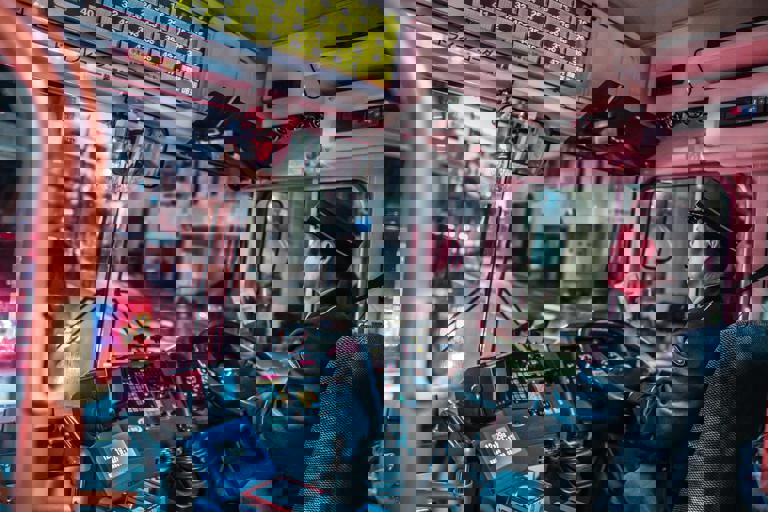
A major transit disruption now appears imminent after bus drivers decisively rejected their employer’s latest wage proposal, raising the spectre of strikes and severe delays for thousands of daily commuters. The vote, which concluded late Thursday evening, saw a narrow majority of union members oppose the deal, citing concerns about pay, working conditions, and general dissatisfaction with management’s approach to negotiations thus far. Many commuters are now bracing for potential scheduling chaos in the coming days.
Union leaders explained that while the company’s offer included incremental wage increases over a three-year period, members felt these raises did not keep pace with the rising cost of living and inflation. "Drivers are working harder than ever, and they deserve a fair contract that reflects that effort," remarked union spokesperson Paula Kim. The sentiment among drivers seems to be one of frustration with ongoing wage stagnation amid increased ridership demands.
Adding urgency to the situation, bus drivers emphasized the need for improved job security and benefits alongside wage adjustments. According to union representatives, management’s proposals fell short in offering comprehensive healthcare upgrades and pension contributions. "It’s not just about the money. Family well-being and future security are at stake," said long-time driver Anthony Boyd. These unresolved issues now threaten to intensify tensions on both sides of the bargaining table.
Transit users have already begun expressing anxiety over the looming strike. Many rely on bus services as their primary mode of transportation to work and school. Sarah Mitchell, a downtown office worker, observed, "If the buses stop running, I’ll have to find expensive alternatives or work from home." Her concerns are echoed by students and seniors, who fear substantial service reductions could disrupt their daily routines.
Management, for its part, expressed disappointment over the rejected offer but remains optimistic about returning to negotiations soon. "Our goal is to avoid service interruptions and reach a fair agreement for all parties," stated senior transit official Robert Singh in a prepared release Friday morning. He urged union leaders to return to the bargaining table quickly and continue seeking common ground through constructive dialogue rather than confrontation.
In this tense environment, the potential impact on the local economy is drawing growing attention. Businesses fear employees may struggle to arrive on time or at all if a strike proceeds, threatening productivity and customer service levels. Restaurant manager Evelyn Park commented, "Public transit connects our staff to jobs and customers to our door. A prolonged strike would hurt everyone—not just riders and drivers."
Political leaders are also weighing in on the developing situation, urging both sides to remain patient and persistent in reaching a deal. City Councillor Raj Bhullar called on employers and unions to "put the public first and find practical solutions before resorting to disruptive job action." Calls for provincial mediation are growing, with some suggesting the government may step in if negotiations break down further.
Recent data indicates that over 200,000 daily trips depend on bus services in the affected area—illustrating the scale of the potential disruption. Previous strikes have resulted in city-wide congestion, increased reliance on ridesharing apps, and a spike in bicycle commuting. Local transit agencies are already drawing up contingency plans, including possible route consolidations and deploying non-union staff to essential services if necessary.
Union insiders suggest that the narrow margin of the rejected contract reflects deep divisions within the driver community. "Some members feel progress has been made, but others think we’re giving up too much for too little," explained negotiator Javier Torres. This split makes consensus more difficult to achieve, heightening the uncertainty facing daily commuters and transit planners alike as talks resume.
Experts say the outcome of these negotiations could set important precedents for future transit contracts across the country. "Wage gains and benefit improvements in this case could ripple into other municipalities that await contract renewals later this year," noted labour analyst Deirdre Winston. The situation is being closely monitored by other public sector unions looking to strengthen their own bargaining positions.
For now, both sides remain locked in a delicate standoff with the public caught in the middle. As further talks are scheduled in the days ahead, all eyes are on the negotiating table to see if a mutually acceptable compromise can be reached in time to prevent a full-scale strike. With little more than determination and public patience holding the system together, the coming week is likely to prove critical for the future of local transit.