
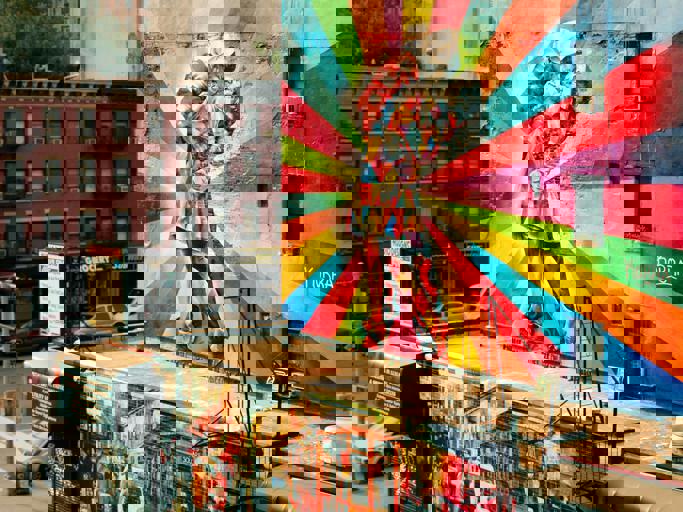
High above city streets, a new wave of creativity is transforming the urban landscape—one rooftop at a time. Rather than limiting their artistry to street-level walls and alleyways, visionary muralists are now turning their attention upwards. These hidden rooftop murals—often invisible from the ground—convert the city skyline into a sprawling open-air art gallery, revealing vibrant masterpieces only to those with an aerial view or from neighboring high-rises.
This innovative trend, rooted in both secrecy and spectacle, has captured the imagination of artists and art lovers alike. Unlike typical street art, rooftop murals are often best appreciated from helicopters, drones, or the windows of taller buildings. In many cases, these works are created to surprise and delight office workers, residents, or drone hobbyists who may stumble upon them purely by chance.
The allure of rooftop murals lies in their exclusivity and the sense of discovery they foster. For many urban dwellers, encountering a burst of color atop what might otherwise be a drab collection of rooftops can feel like stumbling onto a hidden treasure. "It’s like a secret conversation with the sky," says local artist Maya Toker, who has contributed to several rooftop art installations.
Artists are drawn to rooftops as unconventional canvases for a variety of reasons. Some cite the thrill of working at great heights and the technical challenge it presents, while others relish the opportunity to produce large-scale works that break away from the confines of traditional public spaces. In addition, rooftop murals are less likely to be defaced or painted over than their street-level counterparts, allowing the art to endure longer.
Murals created at such heights often require significant planning and collaboration. Artists must secure building owners' permission, consider safety logistics, and adapt their designs to be viewed from above rather than head-on. This perspective shift often results in bolder, more graphic imagery that commands attention from afar. References to local culture, history, or environmental themes are common.
The process of creating a rooftop mural can be as much a feat of engineering as it is of artistry. Large projects may require teams of artists to coordinate their efforts, utilize harnesses, and work around HVAC systems, vents, or other rooftop installations. Paint selection is also crucial—the materials must be able to withstand sun, wind, and rain to maintain the vibrancy of the artwork for years.
Drone technology has played an essential role in both documenting and popularizing rooftop murals. Artists can use drones to photograph their work, helping them gain wider recognition on social media platforms. Spectacular aerial images can go viral, giving hidden rooftop projects newfound visibility and sparking interest in rooftop art initiatives across various cities in Canada and beyond.
Some building owners are eager supporters of rooftop art, viewing it as a unique way to enhance their properties and contribute to the city's cultural identity. Real estate developers have even commissioned rooftop murals as part of new construction projects, hoping the artwork will provide a memorable signature for their buildings. Others see it as an effective tool to deter graffiti and unauthorized tagging.
Public perception of rooftop murals has generally been positive, even among those who may never see the works in person. Many urbanites appreciate the knowledge that their city's skyline holds secret pockets of creativity. In turn, rooftop murals can foster a sense of pride and intrigue among residents, who view their city as a progressive canvas for artistic innovation.
Beyond the visual impact, some artists use rooftop murals to send messages about environmental issues or urban development. For example, climate activists have painted rooftops with imagery of melting glaciers, forests, or endangered animals visible only from above, drawing attention to causes that might otherwise be overlooked in the urban context.
Institutions have started to take notice of this movement. Art museums, universities, and cultural organizations have begun mapping rooftop murals using satellite imagery and digital archiving tools. Such projects not only celebrate artists’ contributions but also prompt larger discussions about the evolving function of public art and the boundaries between visibility and exclusivity.
The hidden nature of these works has led to a new genre of art appreciation. Viewers might organize rooftop mural viewing tours or share drone footage online, fueling a growing community of enthusiasts interested in discovering the latest additions to their city's aerial art collection. Social media hashtags like #RooftopMurals and #SkylineArt help users connect and compare sightings from across the country.
As rooftop murals continue to proliferate, cities find themselves reimagined—not just as grids of streets and buildings, but as canvases stretching skyward. The movement highlights the boundless potential of urban art and the thrill of unexpected creativity. In many ways, these murals remind us that beauty can be found in the most unlikely places, urging all to look up and imagine what’s possible.