
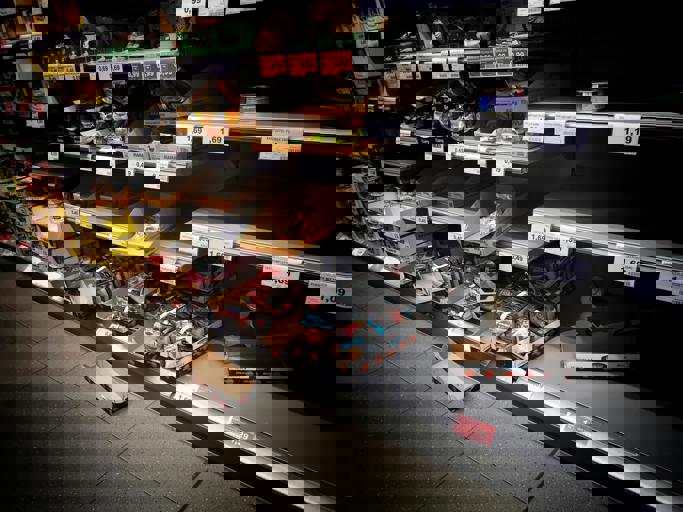
In a move that has sent ripples across the nation's retail landscape, one of Canada’s largest grocery chains announced the sudden closure of dozens of stores, citing unsustainable operating costs and rapidly changing consumer preferences. The company’s decision affects locations in major urban centres and smaller communities alike, igniting concerns over job losses and access to affordable food. The abruptness of the closures has stunned both employees and regular shoppers.
According to a statement released by the chain’s corporate office, the closures represent about 10% of their total store footprint in Canada. Executives explained that a combination of escalating real estate prices, increased energy costs, and supply chain disruptions have made many locations financially unviable. The statement read, 'This difficult decision was not made lightly. We are committed to supporting our employees through this transition.'
Industry analysts highlight that traditional brick-and-mortar supermarkets are facing mounting challenges from multiple directions. Consumer behavior has shifted dramatically in recent years, with a significant rise in online grocery shopping and meal delivery services. 'We’re witnessing a fundamental transformation in how people buy their food,' said retail analyst Mark Dalton. 'Those chains unable to adapt quickly face profound risks.'
The closures are expected to directly affect hundreds of employees, many of whom were notified with just a few weeks' notice. Labor unions representing grocery workers have expressed outrage over what they call a lack of transparency and respect for staff. 'Families are caught off guard, facing economic insecurity at a time when affordability is already a concern nationwide,' said union spokesperson Rachel Cheng in a press release.
For local communities, the closures raise serious questions about food access, especially in neighbourhoods already described as 'food deserts.' Residents of areas losing their only full-service grocery store may now need to travel much farther to access fresh produce and essential supplies. Community groups and food banks worry the closures could lead to increased reliance on emergency food assistance programs, further straining local resources.
From a business perspective, executives point to broader economic headwinds as a key driver behind the decision. Rising inflation has increased costs for everything from transport to packaging, squeezing profit margins. At the same time, competition among supermarkets remains fierce, with discount chains and international retailers capturing a growing share of the market. Retail expert Sonya Mehta notes that, 'Margins in grocery are already very thin. A sudden spike in operational costs leaves little room for error.'
The trend of store closures is not unique to this chain, but part of a larger pattern seen across the Canadian grocery sector. Analysts estimate that at least two other major players have trimmed their store counts or halted expansion plans in recent months. This reshaping of the supermarket landscape is forcing even long-established brands to reevaluate their growth strategies and investment priorities.
In response to growing criticism, the grocery chain has pledged comprehensive severance packages for displaced workers and promised to collaborate with local governments and employment agencies. 'Our priority is to ease the transition for affected staff and mitigate impacts on communities,' said a spokesperson. Some employees will be offered positions at other locations, though the company admits that not everyone will be accommodated.
Looking ahead, experts predict continued volatility in the grocery sector. The push toward online shopping, accelerated by the pandemic, is unlikely to reverse course. Supermarkets are experimenting with smaller formats, pick-up hubs, and expanded digital offerings to remain competitive. Yet, for many communities, no digital convenience can fully replace the role of a local, full-service grocery store. The loss, say advocates, is more than just transactional—it’s social and cultural.
As the dust settles from this unexpected retail shakeup, business leaders and policymakers alike are calling for a broader conversation about the future of food retail in Canada. With affordability and access top of mind, the coming months will reveal how the sector adapts in the wake of this significant contraction. Consumers, meanwhile, find themselves navigating a grocery landscape increasingly shaped by both economic realities and evolving lifestyles.